
Cloud Charge Defence
Lightning protection specialist
enquiries@cloudchargedefence.com 07562 628703
Cloud Charge Defence
Lightning protection specialist
enquiries@cloudchargedefence.com 07562 628703
Why Is Lightning Protection Testing Important?
A lightning protection system is exposed to weather, environmental conditions and physical deterioration throughout its service life. Connections can loosen, components can corrode and conductors or fixings can become damaged.
A system that was correctly installed can therefore require inspection and maintenance to ensure it continues to perform as intended.
Professional inspection and testing can help to:
For building owners and facilities managers, regular inspection also provides an important record demonstrating that the lightning protection system is being appropriately maintained.
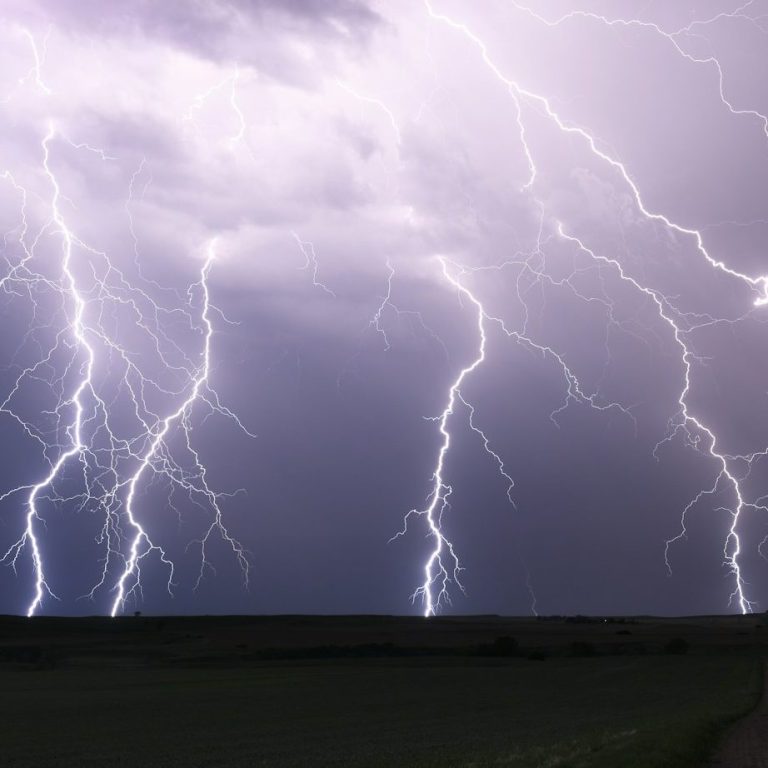
Compliance is not simply a matter of carrying out an annual test. A properly managed lightning protection system should be appropriately designed, installed, inspected, tested and maintained for the building and its specific requirements.
Our inspection process can help establish whether accessible components of the system remain in suitable condition and whether defects or changes to the building require further investigation or remedial work.
Where certification or specific compliance documentation is required by a client, insurer, contract or other responsible body, the applicable requirements should be confirmed for the individual installation.
At Cloud Charge Defence, we provide professional lightning protection inspection, testing and maintenance for commercial, industrial and other properties. Our engineers assess the condition of key components, including air termination systems, down conductors, connections, bonding and earth termination arrangements, identifying corrosion, physical damage, loose connections and other defects that could affect system performance. Where appropriate, we carry out electrical testing and measurements using suitable test equipment and established inspection procedures. We provide clear, detailed reports documenting the areas inspected, relevant test results, defects identified and recommended remedial action. This helps property owners and facilities managers understand the condition of their lightning protection system, maintain appropriate records and take informed action to support system performance, safety and compliance.
Don’t wait for a lightning protection defect or compliance concern to arise. Arrange your lightning protection testing and inspection with Cloud Charge Defence and ensure your system is properly assessed and maintained. Our team in Warminster can help you understand your testing requirements, identify potential defects and maintain appropriate records for your property. Contact Cloud Charge Defence today to arrange an inspection and take a proactive approach to protecting your building, equipment and occupants.
Failing to inspect and maintain a lightning protection system can increase the risk of property damage, equipment failure, fire and danger to building occupants if the system is not able to perform as intended. Poor maintenance can also leave defects such as corrosion, damaged conductors or failed connections undetected, potentially creating compliance and insurance concerns. Regular inspection and testing helps identify these issues early, allowing appropriate remedial work to be carried out. By using Cloud Charge Defence for professional lightning protection testing and maintenance, property owners and facilities managers can maintain a clear record of system condition and take appropriate steps to protect their buildings, equipment and occupants.
What Does Lightning Protection Testing Involve?
The exact scope of an inspection depends on the type, design and accessibility of the lightning protection system.
Our inspection process can include a detailed assessment of the main components of the installation.
Air Termination System
The air termination system is designed to intercept lightning strikes and provide a controlled path for the current.
We inspect accessible air terminals and associated components for signs of:
Down Conductors
Down conductors provide the intended path from the air termination system towards earth.
We inspect accessible conductors, fixings and connection points for damage, corrosion, loose components and other conditions that could affect the integrity of the system.
Connections & Test Joints
Connections are a critical part of a lightning protection installation.
We inspect accessible joints, clamps, test points and connection arrangements for signs of deterioration, looseness or corrosion.
Where appropriate, testing may be undertaken to assess electrical continuity.
Bonding
Lightning protection systems may require bonding to other conductive services and structures to help control dangerous potential differences during a lightning event.
We assess relevant bonding arrangements within the scope of the inspection and identify any visible defects or concerns requiring further investigation.
Earth Termination System
The earth termination system provides the route for lightning current to dissipate into the ground.
Where the installation allows, we inspect accessible earth connections and undertake appropriate electrical testing to assess the condition and performance of the earthing arrangement.
How Often Should Lightning Protection Be Tested?
The appropriate inspection and testing interval depends on the type of building, the lightning protection system, its environment, its condition and the requirements of the applicable standard or system documentation.
Annual visual inspection is commonly used as a maintenance interval, while installations in exposed, high-risk or demanding environments may require more frequent attention.
The condition of the installation should also be considered. A system that has been exposed to significant weather, building alterations, mechanical damage or other changes may require an additional inspection.
Cloud Charge Defence can advise on an appropriate inspection and testing programme based on the characteristics and condition of your installation.
Lightning Protection Standards & Compliance?
Lightning protection systems should be designed, installed, inspected and maintained in accordance with the applicable standards and technical requirements for the installation main being BS EN 6651 & BS EN 62305
Older guidance and standards may still be referenced in existing documentation, while newer installations may have been designed to different requirements. For this reason, it is important to establish which standard and design basis applies to the particular lightning protection system rather than assuming that one inspection requirement applies to every building.
Cloud Charge Defence assesses installations with their individual circumstances in mind and can help identify inspection, testing and maintenance requirements relevant to the system.
Where compliance or certification is a specific requirement of a building, contract, insurer or other responsible party, the inspection should be considered alongside the applicable documentation and requirements.
We need your consent to load the translations
We use a third-party service to translate the website content that may collect data about your activity. Please review the details in the privacy policy and accept the service to view the translations.